It’s the weekend as I sit down to write this.
Bear has just wrapped up his final football tournament of the season, and we’ve spent the afternoon watching Milly perform on stage. For the last few months she’s been putting in countless hours of rehearsals for a theatre production based on the history of Las Vegas. She had two performances in the show..a Rocky-inspired boxing dance and a Bugsy Malone number..and it was pretty special to see all that hard work come together.
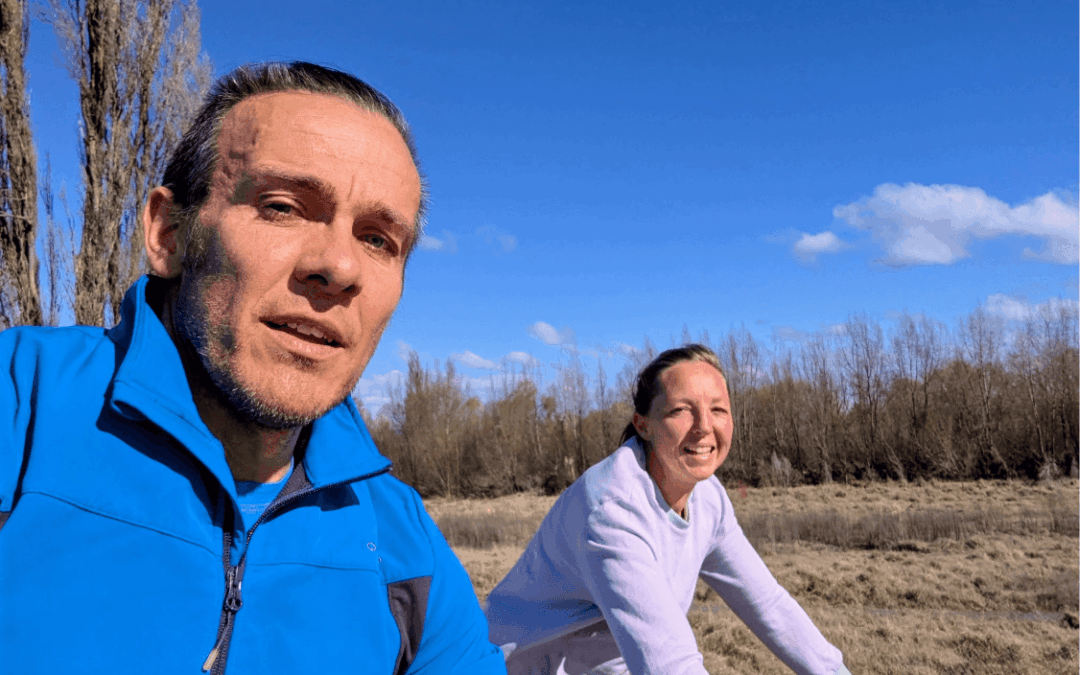
In a few minutes, I’m planning to jump on my bike and make the most of the winter sunshine. But while sitting here reflecting on the week, I found myself thinking about coaching.
Not exercises, sets, reps, or the latest fitness trends.
Coaching.
What it actually means to guide someone, and why the best coaches often make things look far simpler than they really are.
If you’re one of my clients, you’ll know that most of our sessions don’t involve long discussions about biomechanics, exercise science, or the latest research paper.
We talk about life.
We talk about work, family, holidays, kids, sport, weekends, and everything in between. We train, we laugh, and before you know it, the session is over.
What you probably don’t see is that behind the scenes, I’m a complete training geek.
I read research papers. I follow the work of some of the best coaches and clinicians in the world. I spend countless hours studying movement, strength, longevity, nutrition, and human performance. I’ve done so for nearly three decades.
In fact, if another trainer walked into one of my sessions, they might even wonder if I was using any of that knowledge at all.
And that’s exactly the point.
Most people don’t come to me because they want a lecture on muscle physiology. They come because they want to feel better, move better, get stronger, lose weight, reduce pain, or stay active as they get older. They want someone they can trust to guide them.
Years ago, I was looking at installing a heating system in our house.
The first salesperson arrived and proceeded to explain every possible option. There were ten different systems, endless technical details, and a price range that stretched from a few thousand dollars to enough to make me question whether I even needed heating.
When he left, I was more confused than when he arrived.
The second guy turned up and said something like:
“You could go with this option. It’s cheaper, but you’ll probably run into problems sooner. Or you could go with this one. It costs a little more, but it’ll do exactly what you need and last for years.”
That was it.
Simple.
Clear.
Decisive.
I bought from the second guy.
Not because he knew more than the first guy, but because he knew how to apply his knowledge to my situation.
I don’t care about heating systems. I’m not the expert. I just wanted someone I could trust to tell me what I needed.
Most clients feel exactly the same way about fitness.
They don’t want twenty exercise options. They don’t want to debate the finer points of programming. They don’t want to spend hours reading studies.
They want to know they’re in good hands.
They want confidence that someone has thought through the details so they don’t have to.
One thing I’ve learned after 27 years in the industry is that the people who get the best results aren’t usually the ones who know the most about training.
They’re the ones who trust the process, show up consistently, and have someone they trust to guide them.
Good coaching isn’t complicated.
It’s seeing what someone needs, identifying what’s holding them back, and helping them move forward.
Sometimes that means teaching a better squat.
Sometimes it means improving balance, mobility, or strength.
Sometimes it means having an honest conversation about what needs work.
Not because we’re chasing perfection, but because limitations are often opportunities in disguise.
In most areas of life, I’m happy to admit what I don’t know. But in the gym, after 27 years of coaching, I have confidence in my craft. Not because I have all the answers, but because I’ve seen enough patterns to know what tends to work and what doesn’t.
The older I get, the more I appreciate simplicity.
Not simplistic thinking..true simplicity.
The kind that comes from years of experience, mistakes made, lessons learned, and thousands upon thousands of coaching hours.
Anyone can make something sound complicated.
The real skill is making something complicated feel simple.
And if my clients leave a session feeling stronger, more confident, and certain they’re heading in the right direction, then I’ve done my job.
Recent Comments