
Do you need protein powder?
Short answer?
No.
Longer answer…
Still no. But it definitely makes life easier.
The word protein actually comes from the Greek word proteios, which roughly translates to “of primary importance.”
And honestly, that’s pretty fitting.
Protein is hugely important for:
- Building and maintaining muscle
- Recovery
- Bone health
- Keeping you fuller for longer
- Supporting metabolism
- Helping maintain muscle as we age
Now here’s where things get noisy online…
How much protein do you actually need?
Some recommendations are down around 0.6g per kg of bodyweight. Others push as high as 2.2g per kg.
Personally, after 26 years in the industry and tens of thousands of coaching sessions, I can confidently say this:
The people who consistently eat higher protein diets almost always get better results.
Better body composition. Better recovery. Better muscle tone. Better ageing outcomes.
In my opinion, around 2g per kg of bodyweight is a pretty good starting point for most people.
Some will need less. Some can tolerate more. But it’s a solid place to begin.
The problem is most people aren’t even close.
Protein is expensive, so naturally people bulk meals out with carbs because carbs are cheap.
Too many carbs and not enough protein is a pretty reliable recipe for becoming soft and pleasantly plump.
Low protein intake over time also increases the risk of things like:
- Sarcopenia (loss of muscle as we age)
- Poor recovery
- Reduced strength
- Increased osteoporosis risk
Let’s look at a real-world example.
Meet Jo.
Jo is 40 years old and weighs around 70kg.
Using that rough 2g per kg target, she should probably be aiming for around 140g of protein per day.
Sounds easy enough… until you actually try to do it.
Let’s say Jo eats 3 meals per day. That means she needs roughly 45g of protein per meal.
That’s actually harder than most people think.
For breakfast she has:
3 eggs, spinach and a bit of feta.
Healthy? Absolutely.
But protein-wise that’s only around 15g if you’re lucky
Lunch is some leftover chicken, rice and vegetables.
Maybe another 30g.
Dinner is salmon, kūmara and roast vegetables.
Again, another 30g or so.
Jo’s doing pretty well compared to most people…
But she’s still only sitting around the 80g mark for the day.
That’s where protein powder can actually be useful.
Not because you need it.
But because it helps fill the gaps.
Add a simple protein shake post-workout and suddenly Jo jumps from around 80g to 105–110g for the day.
Easy win.
Now, protein powder is still a processed food. It’s never going to be as nutrient dense as real food.
So if you can hit your numbers through real food alone, great.
That’s always the better option.
But real life exists.
People are busy. Appetite varies. Time is limited.
And sometimes a shake is just practical.
One thing I would say though…
Not all protein powders are created equal.
Some are loaded with artificial sweeteners, colours, gums and other junk that can absolutely play havoc with digestion.
Personally, I’d lean toward something with minimal ingredients and as close to natural as possible.
A little stevia or monk fruit doesn’t seem to be an issue for most people.
And before anyone asks…
“Should I take whey isolate, concentrate or pea protein?”
Honestly, for most people that’s majoring in the minors.
Step one is simply getting more protein in consistently.
A quick note… because I get asked this a lot…
“What protein powder should I use?”
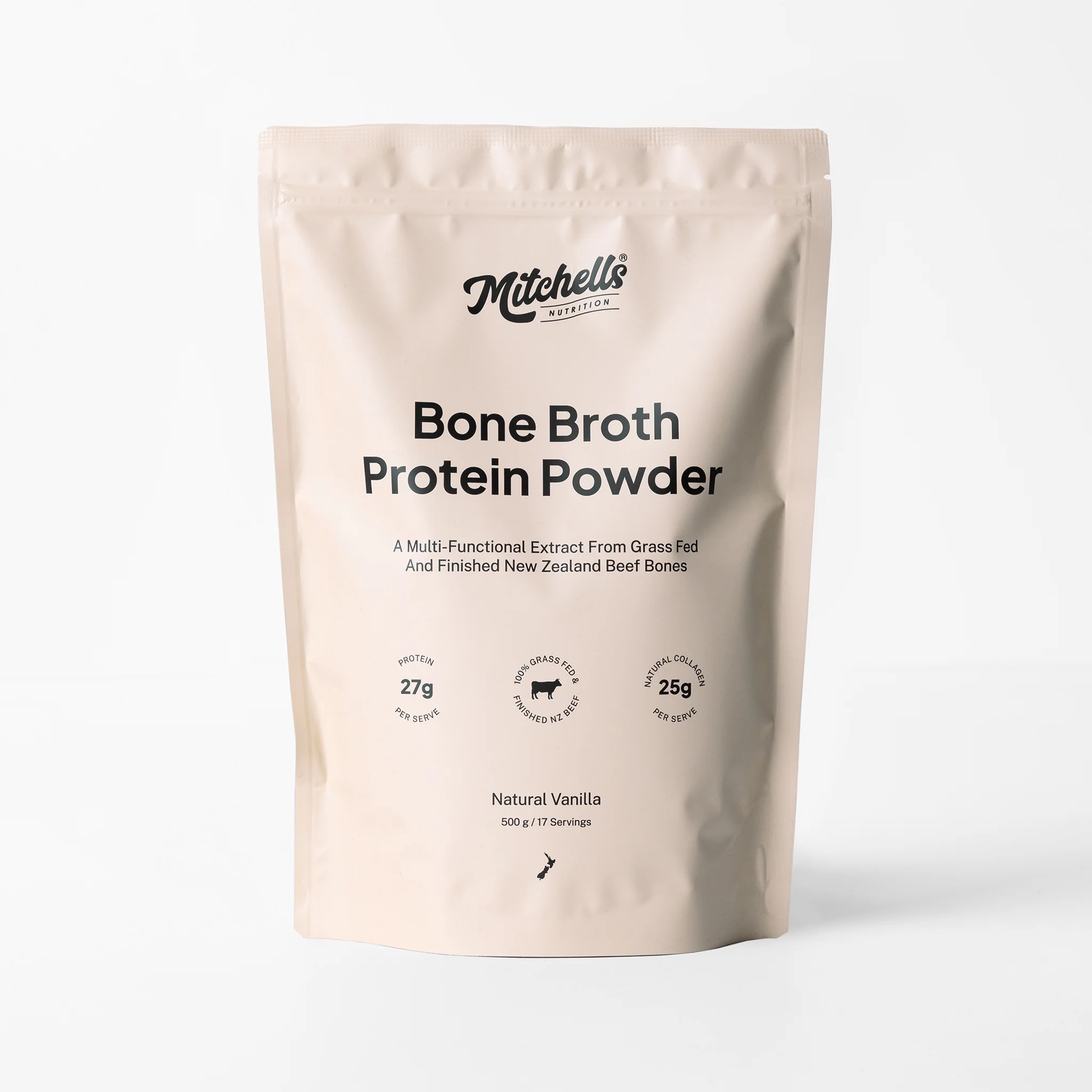
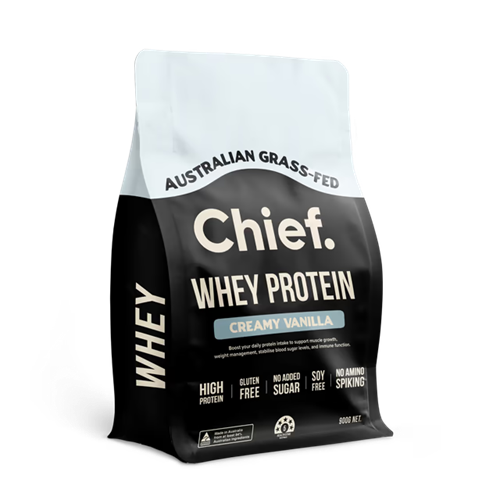
We do have both available at the studio (mainly because it’s what I use myself). If you want more info, flick us an email at fitnesscamp@hotmail.com with the subject line “protein for the win” and I’ll send you the details.
At the end of the day…
You don’t need protein powder.
But if it helps you consistently get enough protein in?
Then it’s probably a pretty good tool to have in the toolbox.
Recent Comments